
Best Magnesium For Sleep : Complete Guide

🎯 Quick verdict
The best choice for sleep is Magnesium Glycinate (Doctor's Best). High bioavailability, double effect (magnesium + glycine), does not irritate the gastrointestinal tract. For the brain and anxiety - L-Threonate (Life Extension Magtein). Avoid oxide and sulfate - they are almost not absorbed.
Why is magnesium critical for sleep?
Magnesium is the fourth most abundant mineral in the body. It is involved in more than 600 biochemical reactions, including:
- Regulation of neurotransmitters (GABA, serotonin, melatonin)
- Relaxation of muscles and nervous system
- Control of cortisol (stress hormone) levels
- Synthesis of melatonin - the sleep hormone
Research shows that 50-80% of the populationof developed countries do not get enough magnesium from food. Modern agriculture, food processing and stress deplete magnesium reserves.
Signs of magnesium deficiency
- Difficulty falling asleep, frequent awakenings
- Muscle cramps, especially at night
- Increased anxiety and irritability
- Rapid heartbeat
- Headaches and migraines
- Chronic fatigue
All forms of magnesium: detailed analysis
1. Magnesium Glycinate / Bisglycinate (Magnesium Bisglycinate) - BEST FOR SLEEP
Magnesium bound to the amino acid glycine. This is a chelated form - magnesium is “hidden” inside an organic molecule, which protects it from destruction in the stomach.
Why is it best for sleep? Glycine itself is an inhibitory neurotransmitter. It lowers body temperature (a signal to the brain: it's time to sleep), improves sleep quality and speeds up falling asleep. You get double effect: magnesium + glycine.
Bioavailability: 80%+ - one of the highest
Side effects: Minimal, does not cause diarrhea
Dosage: 200-400 mg of elemental Mg 1-2 hours before bedtime
Price: $$ (average)
2. Magnesium L-Threonate / Magtein - BEST FOR THE BRAIN
Patented form developed by MIT scientists. The only form of magnesiumproven to cross the blood-brain barrier (BBB) and increase magnesium levels directly in the brain.
Research:Improves short- and long-term memory, reduces age-related cognitive decline, reduces anxiety.
Bioavailability: High (maximum for the brain)
Side effects effects:Minimal, slight drowsiness possible
Dosage:1500-2000 mg L-Threonate (= 144 mg elemental Mg)
Price: $$$ (high)
3. Magnesium Malate - BEST FOR ENERGY
Magnesium + malic acid (malate). Malate plays a key role in the Krebs cycle - the main energy process of cells.
Who is it suitable for? People with chronic fatigue, fibromyalgia, athletes. Take in the morningas it can invigorate.
Bioavailability: 70-75%
Side effects: Minimal
Dosage: 200-400 mg of elemental Mg
Price: $$ (average)
4. Magnesium Taurate - BEST FOR THE HEART
Magnesium + amino acid taurine. Both components are important for the cardiovascular system.
Who is it suitable for? People with high blood pressure, arrhythmia, and risk of heart disease. Taurine maintains the electrolyte balance of the heart muscle.
Bioavailability: 70-75%
Side effects: Minimal
Dosage: 200-400 mg of elemental Mg
Price: $$ (average)
5. Magnesium Citrate - BUDGET OPTION
Magnesium + citric acid. The most popular form due to its affordable price and good digestibility.
Feature: Has a mild laxative effect. This is a plus if you have problems with constipation, but a minus for long-term use.
Bioavailability: 65%
Side effects: Diarrhea at doses above 300 mg
Dosage: 200-300 mg of elemental Mg
Price: $ (low)
6. Magnesium Oxide - NOT RECOMMENDED
The cheapest and most useless form. Often found in pharmaceutical preparations.
Why avoid? Bioavailability of only 4% - out of 400 mg, the body will absorb only 16 mg. Used primarily as a laxative (Magnesia). If your current magnesium is oxide, change it.
7. Magnesium Sulfate - EXTERNALLY ONLY
The famous “Epsom salt” for baths. Magnesium is minimally absorbed through the skin.
Use:Baths for muscle relaxation are pleasant, but do not replace oral intake. Orally - a strong laxative, not suitable as a supplement.
Optimal dosage and time of administration
Recommended daily intake of magnesium: 310-420 mg (depending on gender and age). To improve sleep:
- Start with 200 mgof elemental magnesium
- Take 1-2 hours before bedtime
- If necessary, increase to 400 mg every other week
- Split dose if more than 300 mg (morning + evening)
- Take with food for better absorption
- Add vitamin B6 - it helps magnesium get into cells
What can you combine magnesium with?
- Vitamin D - magnesium is necessary to activate vitamin D
- Vitamin B6 - improves the transport of magnesium into cells
- Zinc - synergy for immunity and hormones
Do not combine with:
- Calcium - competes for absorption (spread for 2+ hours)
- Iron - mutually reduce absorption
- Antibiotics (tetracyclines, fluoroquinolones) - magnesium blocks them
How long does it take to wait for the effect?
Magnesium - not sleeping pills It does not turn off consciousness, but restores the natural mechanism of falling asleep:
- 1-3 days- muscle relaxation, reduction of cramps
- 1-2 weeks- improvement in falling asleep
- 4-6 weeks- full effect: deep sleep, fewer awakenings
If after 6 weeks there is no improvement, try another form or increase the dose (up to 400 mg).
| Form | Price | Main effect | Recommendation | Bioavailability | Gastrointestinal tract |
|---|---|---|---|---|---|
| Glycinate / Bisglycinate | $$ | Sleep + relaxation | BEST FOR SLEEP | 80%+ High | Great |
| L-Threonate (Magtein) | $$$ | Brain + memory + sleep | BEST FOR THE BRAIN | High (brain) | Great |
| Malate | $$ | Energy + muscles | Morning reception | 70-75% | Fine |
| Taurat | $$ | Heart + pressure | For cores | 70-75% | Fine |
| Citrate | $ | General deficit | Budget option | 65% | Moderate (diarrhea) |
| Oxide | $ | Laxative | DO NOT RECOMMEND | 4% Very low | Badly |
| Sulfate | $ | Baths only | EXTERNAL ONLY | Minimum | Badly |
← Прокрутите таблицу вправо →
Recommended products
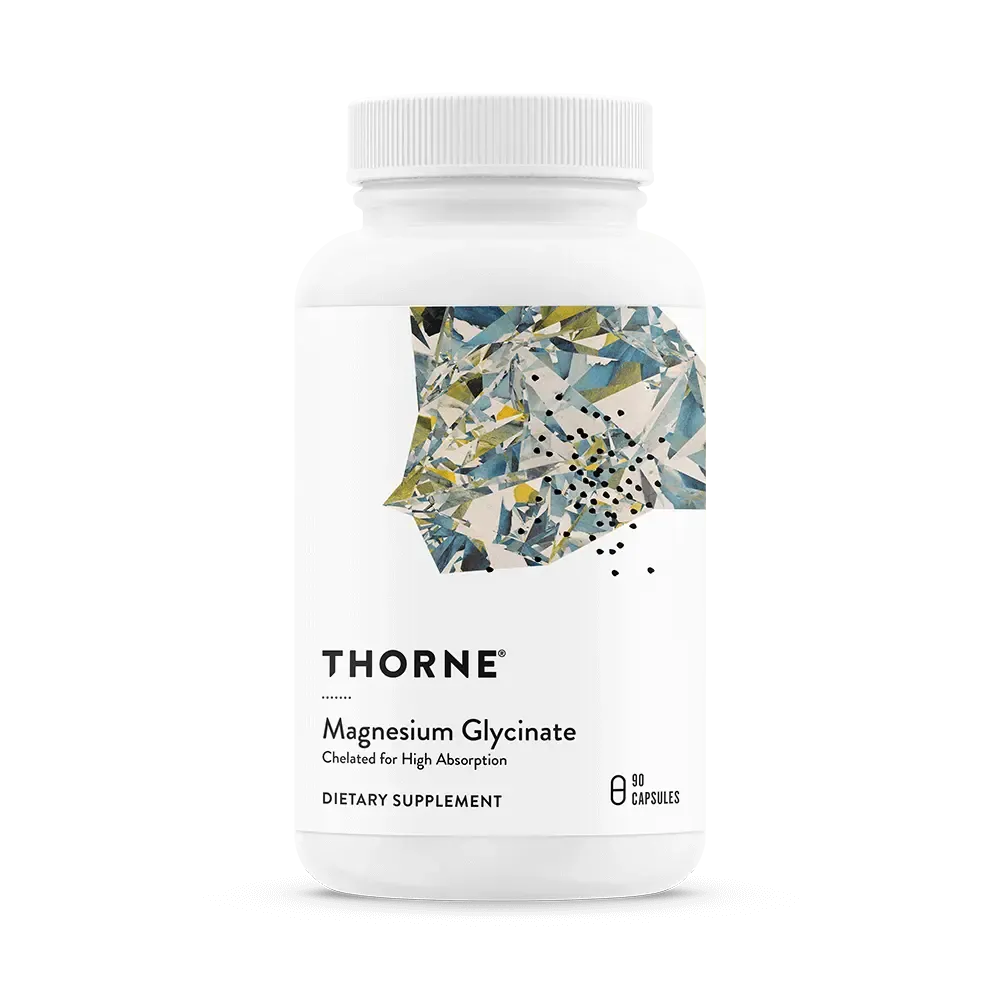
Thorne
Thorne Magnesium Glycinate
Premium bioavailable magnesium glycinate. Supports muscle relaxation and sleep quality, gentle on the stomach.
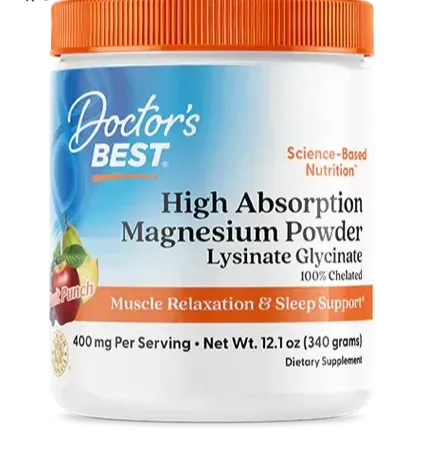
Doctor's Best
Doctor's Best High Absorption Magnesium
Chelated magnesium lysinate glycinate (TRAACS®) with high absorption. Effective for sleep and reducing cramps.
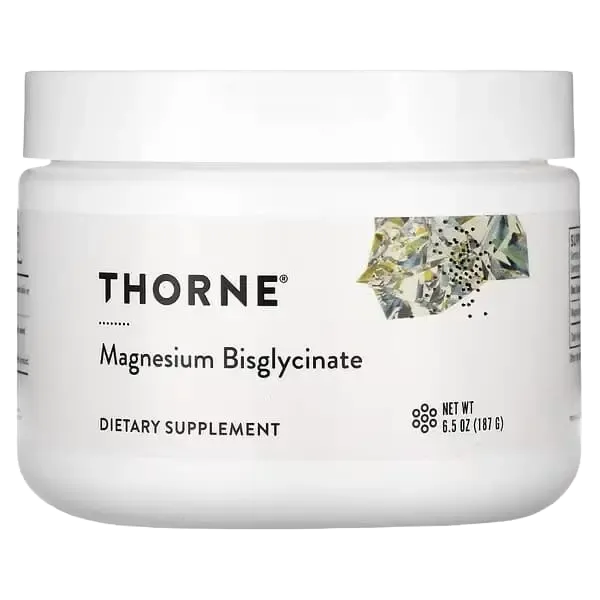
Thorne
Thorne Magnesium Bisglycinate (powder)
Powdered magnesium bisglycinate with glycine. Flexible dosing, muscle calm and improved sleep.
Frequently asked questions
Which form of magnesium is best for sleep?↓
When should you take magnesium to improve sleep?↓
How much magnesium do you need for sleep?↓
How many days until magnesium starts helping with sleep?↓
Why shouldn't you take magnesium oxide?↓
Can you take magnesium every day continuously?↓
Magnesium glycinate or threonate — which is better?↓
Does magnesium cause daytime drowsiness?↓
Sources and studies
- Magnesium Bisglycinate Supplementation in Healthy Adults Reporting Poor Sleep: A Randomized, Placebo-Controlled Trial — Nature and Science of Sleep, 2025↗
- The effect of magnesium supplementation on primary insomnia in elderly: a double-blind placebo-controlled clinical trial — Journal of Research in Medical Sciences, 2012↗
- Glycine ingestion improves subjective sleep quality in human volunteers — Sleep and Biological Rhythms, 2007↗
Related articles
Iron: how to take it correctly and not cause harm
Iron is a double-edged sword. Deficiency = fatigue, excess = toxicity. Complete guide to forms and doses.
The best nootropics : what really improves memory
We analyze nootropics with an evidence base: Omega-3 DHA, Lion's Mane, Creatine, L-Theanine and Alpha-GPC.
Magnesium for the heart: why cardiologists recommend taurate
Magnesium taurate is the optimal form for the cardiovascular system. Taurine + magnesium = double heart protection.