Zinc for immunity: forms, dosages, administration errors

🎯 Quick verdict
Zinc picolinate or bisglycinate are the best forms. 15-30 mg/day. Do not take on an empty stomach (nausea!) and do not combine with iron/calcium. For long-term use, add copper (2 mg per 15 mg zinc). Zinc oxide - not recommended (poorly absorbed). For colds: 30-50 mg for the first 5 days + zinc lozenges.
Zinc: a mineral without which the immune system does not work
Zinc is necessary for the functioning of more than 300 enzymes and the development of almost all types of immune cells. It doesn’t just “support” the immune system - without zinc, the immune system cannot function normally.
T cells, B cells, NK cells (natural killer cells), neutrophils - they all depend on zinc at every stage: maturation, activation, division, antibody production.
Signs of zinc deficiency
Zinc deficiency is not uncommon. According to WHO, up to 30% of the world's population does not receive enough zinc. Signs:
- Frequent colds and infectionsis the most characteristic symptom
- White spots on the nails - a classic symptom (although not specific)
- Hair loss - zinc is needed for follicle cell division
- Decreased appetite and taste - zinc is needed for the functioning of taste buds
- Slow wound healing
- Acne and skin problems
- Decreased testosterone in men
How zinc controls immunity
Innate immunity (first line)
- Zinc supports the barrier function of the skin and mucous membranes - a physical barrier to pathogens
- Stimulates the activity of NK cells - they kill infected cells
- Enhances phagocytosis - absorption of bacteria by neutrophils and macrophages
Adaptive immunity (specific response)
- The thymus (thymus gland) - the “school” for T-cells - is extremely dependent on zinc. With deficiency, the thymus atrophies
- Zinc is necessary for the maturation of T-helper cells, which coordinate the entire immune response
- Supports antibody production by B cells
Antiviral effect
Zinc ions directly inhibit the replication of some viruses (including rhinoviruses - the cause of 40% of colds). This is why zinc lozenges work for colds - they provide a high local concentration of zinc in the nasopharynx.
Zinc and colds: what research says
- Cochrane meta-analysis (2013):Zinc lozenges (gluconate or acetate) at a dose of 75+ mg/day, started in the first 24 hours of a cold, shortened the duration by 1-2 days
- Important: It is lozenges that work, not tablets for swallowing. Zinc should be in contact with the nasopharyngeal mucosa
- Prevention: Regular intake of 15-30 mg/day reduces the incidence of acute respiratory viral infections, especially in children and the elderly
Zinc forms: detailed analysis
Zinc picolinate is the best choice
Zinc bound to picolinic acid. Highest bioavailability among all forms (1987 study: absorption of picolinate is significantly higher than gluconate and citrate). Well tolerated, minimal nausea.
Zinc bisglycinate - for sensitive stomach
Chelated form - zinc is “hidden” in the glycine molecule. High bioavailability,very gentle for the gastrointestinal tract. Best choice if picolinate causes discomfort.
Zinc gluconate / acetate - in lozenges for colds
These forms dissociate well in the mouth, releasing free zinc ions, which suppress viruses on the mucous membrane. For candies - the best choice.
Zinc oxide - NOT recommended
The cheapest form with low bioavailability. Often found in cheap multivitamins and pharmacy products. Poorly digested and may irritate the stomach.
How to take correctly
- Prophylactic dose: 15 mg/day
- For colds: 30-50 mg/day for the first 5-7 days + zinc lozenges every 2-3 hours
- Maximum long-term:40 mg/day (higher doses deplete copper)
- WITH FOOD - on an empty stomach = nausea (most common side effect)
- Do not combine with:iron (competition), calcium, antibiotics (space apart for 2 hours)
- For long-term use:add 2 mg copper for every 15 mg zinc (zinc displaces copper)
Zinc and copper: an important balance
Zinc and copper compete for absorption in the intestine. If you take zinc for a long time (more than 8 weeks) without copper, copper deficiency may develop. Symptoms: anemia, neutropenia, neurological disorders.
Rule: For every 15 mg of zinc, 1-2 mg of copper. Many quality zinc supplements already contain copper.
Who needs zinc most
- Vegetarians/vegans—phytates in grains block zinc
- Elderly people - decrease in absorption with age
- Athletes - sweat losses
- Pregnant women - increased need
- People with gastrointestinal diseases - malabsorption
Zinc from food
- Oysters - 74 mg per 100 g (absolute champion!)
- Beef - 4-8 mg per 100 g
- Pumpkin seeds - 7.6 mg per 100 g
- Lentils - 3.3 mg per 100 g (but phytates reduce absorption)
- Cashew - 5.6 mg per 100 g
Security
- Nausea - take with food, not on an empty stomach
- Copper deficiency - if taken for a long time, add copper
- Metallic taste - at high doses
- No more than 40 mg/dayfor a long time without medical supervision
Resume from Novird
- Form:Picolinate or bisglycinate
- Dose: 15 mg/day prevention, 30-50 mg for colds
- With food!Not on an empty stomach
- Long-term:Add copper 2 mg
- For colds:Zinc lozenges (gluconate/acetate) every 2-3 hours
Golden Rule: Zinc is one of the few minerals that actually helps with colds. But lozenges started in the first 24 hours work. 48 hours after the onset of symptoms, the effect is minimal. Keep the packaging ready at home.
| Dose | Form | Price | Recommendation | Bioavailability | Gastrointestinal tract |
|---|---|---|---|---|---|
| 15-30 mg | Picolinate | $$ | BEST CHOICE | ★★★★★ High | Great |
| 15-30 mg | Bisglycinate | $$ | For sensitive gastrointestinal tract | ★★★★★ High | Excellent (chelated) |
| 15-30 mg | Citrate | $ | Budget option | ★★★★☆ Good | Fine |
| 15-30 mg | Gluconate | $ | In lollipops for colds | ★★★★☆ Good | Fine |
| 15-30 mg | Acetate | $ | In lollipops for colds | ★★★★☆ | Average |
| We do not recommend | Oxide | $ | DO NOT BUY | ★★☆☆☆ Low | Badly |
← Прокрутите таблицу вправо →
Recommended products
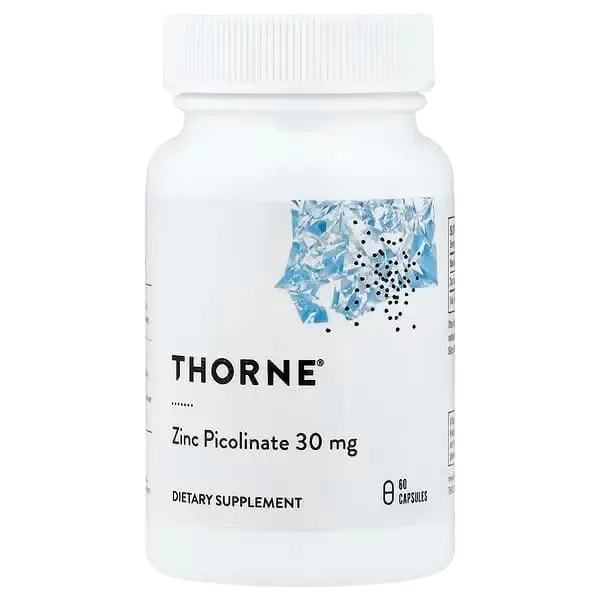
Thorne
Thorne Zinc Picolinate 30 mg
Zinc picolinate 30 mg — form with excellent absorption. Supports immunity, skin and metabolism. Professional Thorne quality, no fillers.
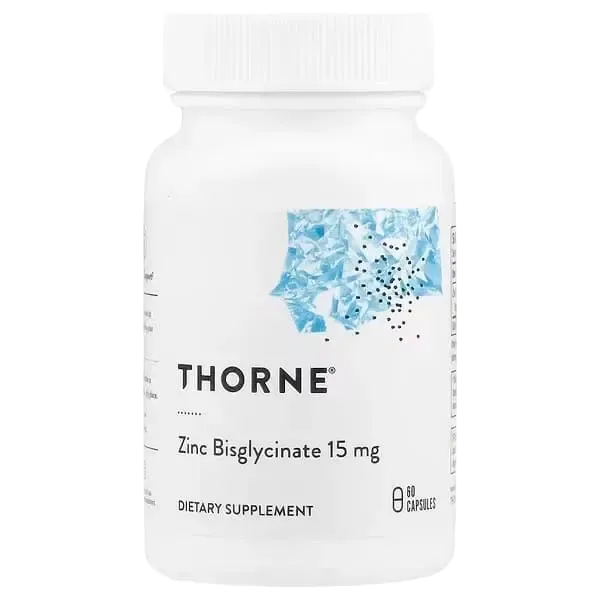
Thorne
Thorne Zinc Bisglycinate 15 mg
Chelated zinc bisglycinate 15 mg — superior bioavailability, gentle on stomach, no nausea. 15 mg ideal for daily use.
NOW Foods
NOW Foods Zinc Glycinate
Chelated zinc glycinate with good absorption. Supports immunity at affordable price. Large package, soft gels.
Frequently asked questions
How much zinc should you take per day?↓
When is it best to take zinc?↓
Which form of zinc absorbs best?↓
Does zinc help with a cold?↓
Should you take copper together with zinc?↓
Sources and studies
Related articles
Iron: how to take it correctly and not cause harm
Iron is a double-edged sword. Deficiency = fatigue, excess = toxicity. Complete guide to forms and doses.
The best nootropics : what really improves memory
We analyze nootropics with an evidence base: Omega-3 DHA, Lion's Mane, Creatine, L-Theanine and Alpha-GPC.
Magnesium for the heart: why cardiologists recommend taurate
Magnesium taurate is the optimal form for the cardiovascular system. Taurine + magnesium = double heart protection.